The Euro Parcel Drill: Buying Balsa and Bits From EU Shops in 2026
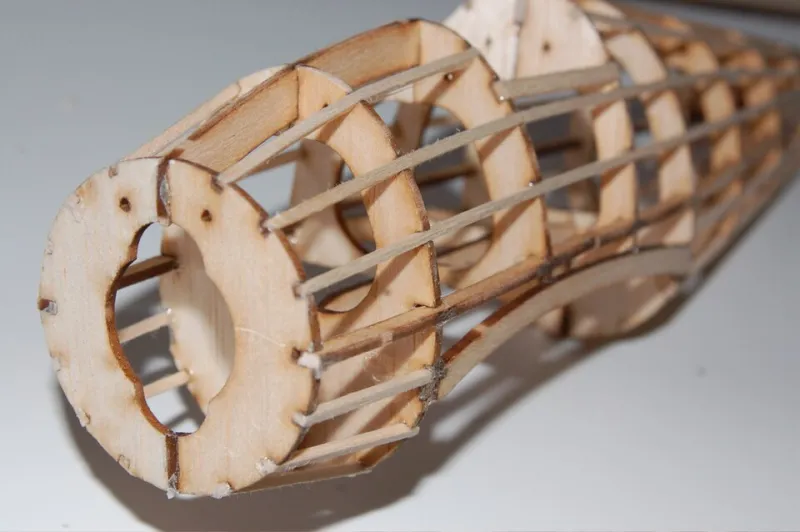
Photo: Zach Vesoulis, Public domain, via Wikimedia Commons
Club-night conversations about European model shops usually start the same way: someone has found a covering film colour that no UK supplier stocks, or a packet of odd-sized hinges that has been out of stock since Easter. The next sentence is always about customs. In 2026, ordering from the EU is not exotic, but it is not as simple as clicking ‘buy’ either. Treat it like any other workshop job: plan the cut, check the fit, then commit.
Decide what earns the postage
The first filter is simple: import what you cannot buy here at a sensible price. Covering film is the classic case. A roll of specialist heat-shrink film in an unusual colour can be worth the carriage because UK stock is patchy and colours matter. The same goes for small, high-value hardware: proprietary clevises, precise metric fittings, retract spares, engine mounts and niche laser-cut short kits. Balsa is trickier. A bundle of selected grades can be excellent, but wood is bulky and couriers charge by volumetric weight. Compare the landed cost against your regular UK cutter before you get misty-eyed about a €39 bundle. Generic screws, heavy glues and bulky foam are rarely worth the paperwork. One roll of film on its own almost never is.
Read the checkout like a pre-flight
Before you commit a club-sized basket, check how the shop handles UK sales. The key question is whether it collects UK VAT at checkout or exports tax-free and leaves the charge to the courier. Neither is automatically wrong, but you need to know which one you are buying. If the shop is set up for UK VAT, look for a clear statement and keep the invoice. If it removes EU VAT and ships DAP, assume the courier will collect import VAT plus a handling fee. That fee can turn a modest saving into a donation.
Look for a real company address, a working phone number and terms that mention international delivery. Check whether the checkout shows stock status or just a hopeful green tick. Search the shop name alongside ‘UK customs’ and ‘delivery’ in model forums; a retailer that leaves customers to discover the courier fee on the doorstep usually has a trail of unhappy posts. Marketplaces can be fine, but the seller may not be the shop, and returns get murky.
The paperwork that keeps the parcel moving
Ask for a commercial invoice with a plain description, the HS code, country of origin and the price actually paid. Do not ask anyone to mark a parcel as a gift or a sample. It is not a clever shortcut; it is a way to turn a delayed parcel into a seized one. Keep the invoice PDF and the order confirmation in a folder on your phone. When the courier emails for payment, pay promptly and keep the receipt. If the parcel is DDP, the charge should be included, so check before paying twice.
The £135 line is worth understanding. Below it, VAT is often handled at the point of sale if the retailer is UK VAT-registered; above it, expect a border charge and a courier fee. Duty may also apply depending on the goods and origin. Do not guess the total from the shelf price. Build a landed-cost sum: goods minus any EU VAT, plus shipping, plus expected UK VAT, plus the handling fee. That is the number to compare with the UK supplier.
Build a basket that respects the van
Balsa is the awkward one. A carton of 1m lengths can attract a long-parcel surcharge, and a club order that looks cheap by weight can be expensive by volume. Ask the shop to quote carriage on the actual carton size before you pay. If you are buying film and wood together, ask whether they can pack the rolls inside the wood bundle rather than adding a second box. Combine orders with clubmates to spread the fee, but keep one person as the importer and make sure the invoice matches the value. Do not split a big order into several parcels just to dodge charges; you may simply pay the handling fee three times.
Check restrictions too. Aerosols, solvents and some batteries cannot travel by air, and a shop that ships them one week may refuse them the next. If you are ordering for a winter build, place the order before the Christmas courier crush, not during it.
A club-order checklist
- Confirm the item is in stock and ask for a dispatch date in writing.
- Ask whether UK VAT is collected at checkout or on delivery.
- Get a carriage quote for the packed carton, not the bare weight.
- Request DDP if the shop offers it, and get the total in writing.
- Check the HS code and description on the invoice.
- Confirm the returns policy and who pays return carriage.
- Pay by card or a protected method, and keep screenshots.
- Collect clubmates’ deposits against the landed cost, not the shelf price.
- Track the parcel and pay any charge the day it arrives.
If the parcel stalls
A held parcel is usually a missing invoice, not a disaster. Send the commercial invoice and order confirmation to the courier, and keep the emails. If balsa arrives damaged, photograph the carton before you unwrap it and report it within the courier’s window. Returns to the EU need a customs declaration; mark them as returned goods and keep the original paperwork so you are not charged twice. Most EU shops want to sort it out, but they cannot do that without your photos and invoice.
The European shops are still part of the UK modeller’s toolkit in 2026. They fill the gaps that UK stock leaves, and a well-planned order can save real money. The trick is to stop treating the parcel as a lucky dip. Check the retailer, do the landed-cost sum, and build a basket that respects the courier. Then the only surprise at the door is how quickly the build starts.