Model Airplane International Build it, trim it, fly it — from bench to sky

Model Airplane International

Build it, trim it, fly it — from bench to sky

Latest Articles

Paperwork, Props and the Plymouth Ferry: Flying a Model at a European Club in 2026
Club Opinion

Paperwork, Props and the Plymouth Ferry: Flying a Model at a European Club in 2026

A European club trip is a brilliant day out, but the devil is in the documents. Here is a practical 2026 checklist for UK modellers — from club invitations and insurance to LiPos, customs and strip etiquette — so the only thing you have to worry about is the wind.

Mud, Muck and Nose-Overs: A Damp-Strip Undercarriage MOT
Workshop

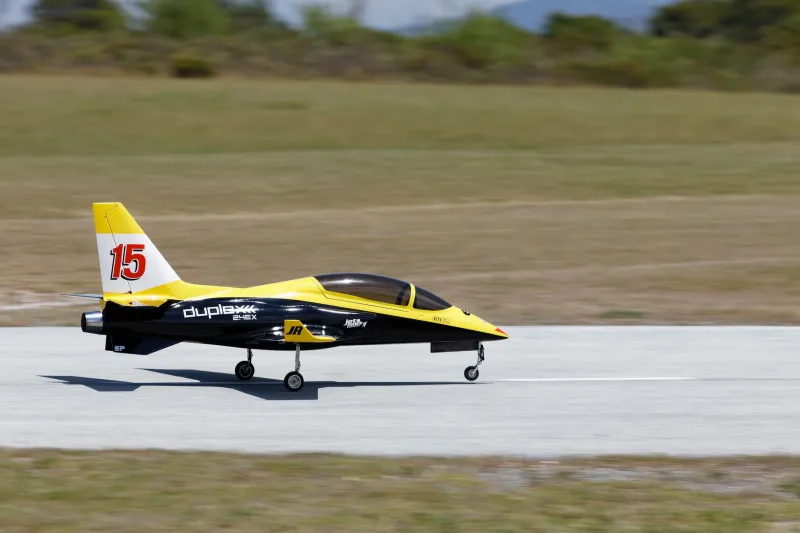
Mud, Muck and Nose-Overs: A Damp-Strip Undercarriage MOT

Wet grass turns a friendly club strip into a test rig for wheels, axles, spats and steering. Here is a practical 30-minute undercarriage audit for the damp months, covering what to check on the bench and what to carry to the patch.

Boot-Full of Electrons: Field Charging That Actually Works on a UK Club Site
Workshop

Boot-Full of Electrons: Field Charging That Actually Works on a UK Club Site

No mains, no drama. A fuse-first guide to building a field-charging box around a leisure battery, sized for a real 6S weekend rather than a fantasy one, with honest field maths, UK weather caveats and a cost breakdown that will not frighten the household finance committee.

The Twenty-Pound Boneyard: A Swapmeet Balsa Wreck Flies Again
Workshop

The Twenty-Pound Boneyard: A Swapmeet Balsa Wreck Flies Again

A scruffy £20 sport airframe from a village-hall swapmeet is not a bargain until you have inspected it, stripped it and judged what it will cost in time. Here is how one balsa relic went from boneyard buy to a safe first flight — and where I would have walked away.

Before You Throw It Off the Edge: Reading a British Slope From the Car Park
Club Opinion

Before You Throw It Off the Edge: Reading a British Slope From the Car Park

The forecast gives you a wind speed and a direction; the hill gives you rotor, sea-breeze switches, sheep and a decision. This is a practical pre-launch scan for UK slope sites, with three days that ended very differently.

One Box, One Bench, One Weekend at a Time: Six UK Cutters Worth the Slot
Club Opinion

One Box, One Bench, One Weekend at a Time: Six UK Cutters Worth the Slot

The British short-kit scene is quietly having its best decade, and it suits the way most of us actually model: a small bench, a modest budget and about four hours a week. Six cutters worth a slot, plus the questions to ask before you add anything to a basket.

Twelve Lines on a Card: The Pre-Maiden Routine That Pays You Back
Workshop

Twelve Lines on a Card: The Pre-Maiden Routine That Pays You Back

A maiden flight tests your pre-flight discipline far more than it tests the model. Here's a twelve-point routine written out on an A6 card, laminated, and tied to the flight box — including the abort list most of us only invent after the crash.

Workshop

Ten Touches Before You Pay: A Swapmeet Bench Test for Used IC Gear

Winter swapmeets and club classifieds are brilliant places to find a bargain engine or airframe — if you know where to put your hands. Here is a ten-point bench test for used IC gear, plus fair-price notes and the red flags that should send you back to the bacon butty queue.

Cold, Damp and Careless: A Winter LiPo Audit for Shed-Stored Flying Gear
Club Opinion

Cold, Damp and Careless: A Winter LiPo Audit for Shed-Stored Flying Gear

Most LiPo advice is written for tidy workshops and warm charging benches. UK winter flying often means a damp shed, a cold garage and a rush to get packs charged before a club day — so here is a practical audit for the rest of us.

The Neighbour Test: How IC Clubs Keep a Site Documented, Defensible and Open
Club Opinion

The Neighbour Test: How IC Clubs Keep a Site Documented, Defensible and Open

IC flying is not doomed, but it is increasingly a relationship-management exercise as much as a hobby. This is a field guide to noise testing, silencers, prop choices, flight-line positioning and the paperwork that helps a UK club survive a complaint — and keep its site for 2026 and beyond.

Thumb Time: A Fifteen-Quid Winter Sim Plan That Earns Its Keep by Spring
Workshop

Thumb Time: A Fifteen-Quid Winter Sim Plan That Earns Its Keep by Spring

A practical, UK-friendly winter routine for keeping your thumbs honest when the patch is a bog and the light has gone by half three. The kit costs about £15, the software can be free, and the drills are built around the things that actually bite you at the club field: takeoffs, landings, wind and deadsticks.

Foam, Glue and Grit: A £40 Club Trainer You Can Repair in an Evening
Workshop

Foam, Glue and Grit: A £40 Club Trainer You Can Repair in an Evening

A cheap, repairable electric trainer made from Depron, hot glue and off-the-shelf electronics. Includes a UK sourcing list, cost breakdown, build steps, trimming advice and maiden notes for gusty club fields.

Club Opinion

Hall Pass: Six Indoor Flying Nights Worth Booking This Winter

The field is a bog and the sun clocks off before teatime, but indoor season is here. Here are six UK hall and club-night options worth chasing, what they cost, how the etiquette works, and a tight-space prep checklist for your first session.

Bench Buddies, Not Lost Enthusiasms: A Winter Mentoring Plan for UK Clubs
Club Opinion

Bench Buddies, Not Lost Enthusiasms: A Winter Mentoring Plan for UK Clubs

Every autumn UK clubs see the same pattern: summer newcomers drift away before the season restarts. A structured 'First Solo by Spring' mentoring scheme could keep them hooked—and here is a practical blueprint clubs can argue over and adopt.

Soggy Saturdays, Sharp Bench: Five Winter Jobs That Earn Their Keep by Spring
Workshop

Soggy Saturdays, Sharp Bench: Five Winter Jobs That Earn Their Keep by Spring

When the field turns to soup and the light disappears by teatime, the smart move is not to pack modelling away until April. Here are five weekend bench jobs that turn a wet UK winter into useful progress—and leave you ready to fly when the ground finally dries.