The Warm-Room Workshop: A Village Hall Build Night That Keeps Everyone Welcome

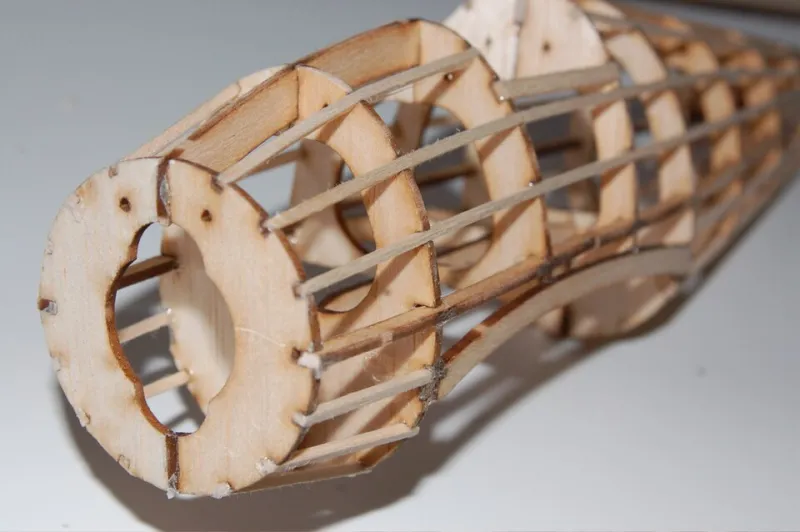
Photo: Rudolf Valić, scanned by RokTheCroat, Public domain, via Wikimedia Commons
Every club has a shed story. The padlock freezes, the kettle takes twenty minutes to boil and somebody’s magnifying lamp flicks out every time the compressor kicks in. Our own winter build night had reached that point: six regulars, one ancient fan heater and a growing suspicion that the youngest member was only there for the biscuits. So we did what sensible hobbyists do when the temperature drops — we hired a room with a radiator, a kitchen and a floor that does not double as a puddle.
The move to the village hall was not glamorous. It was a parish council booking form, a risk assessment and a lot of carrying. But it has given us the best winter workshop we have had in years, and it has brought in members who would never have stood in a cold shed at seven o’clock on a Tuesday. This is how we made it work, and what we would do differently.
Start With the Hall Committee, Not the Hammer
Our first mistake was assuming the booking was the hard part. It is not. The hard part is convincing the hall committee that a group of model flyers will not leave cyanoacrylate fingerprints on the tables or balsa dust in the curtains. We asked for a meeting, brought photographs of our usual bench setup and explained what we actually do: cutting, sanding, gluing, covering, small electrical work and a great deal of tea drinking.
The committee’s concerns were practical. Fire exits, extension leads, hot irons, solvent smells and the state of the floor afterwards. We answered each one in writing. No soldering in the main room. Covering irons used only on heatproof mats, with a PAT-tested lead and a member watching each one. No spray adhesives indoors. Rubbish taken home, not left in the hall bins. It sounds fussy until you realise that a clear answer now saves an awkward phone call in January.
The Money Is Smaller Than You Think
A typical village hall in our area charges between £15 and £25 an hour for an evening slot, with a modest kitchen supplement. Sixteen members at £3 a head covers three hours and leaves a little for milk, biscuits and replacement table protection. We do not aim to make a profit. We aim to break even and keep the booking regular.
The hall committee gave us a cheaper rate for a block booking across the winter months. That helped more than any raffle. We also asked members to pay for the whole season up front if they could. It is not a fortune, but it turns a vague plan into a committed one. If your club is smaller, share the booking with a local scale-model or craft group. The hall does not care what is being built, as long as the tables are protected and the rent is paid.
Insurance, Paperwork and the Boring Bits
Our club public liability policy already covered off-site meetings, but we checked. Do not assume. A quick email to the insurer confirmed that a hired hall workshop was acceptable provided we had a written risk assessment and a responsible member present. We added the hall’s postcode to our records and kept a printed copy of the policy in the club toolbox.
The hall also wanted proof of public liability and a named contact. We gave them both, plus a simple one-page risk assessment covering trailing leads, sharp tools, hot irons, step ladders and the kettle. It is not red tape for its own sake. It is the difference between a club that looks professional and one that looks like a liability.
Protect the Tables Before You Protect the Models
Village hall tables are usually somebody’s pride and joy, even when they are forty years old and covered in varnish scars. We bought four sheets of thin plywood and a roll of heavy-duty polythene. Each member gets a sacrificial board on top of the table, and the polythene goes underneath the lot. Glue drips, sanding dust and covering irons stay on our timber, not theirs.
We also brought our own waste bin, a dustpan and brush, and a roll of blue paper towel. The rule is simple: if you make a mess, you clear it before the urn goes on. So far the only thing we have left behind is a faint smell of balsa and a very well-used tea towel.
The Tea Rota Is Not a Joke
A build night lives or dies on the tea rota. Ours is voluntary but organised: two members per session, one on the urn and one on washing up. The hall kitchen has a boiler, but we bring our own teabags, milk, sugar and biscuits. We keep a small plastic crate with the lot, labelled with the club name, and it goes home at the end of the night.
The rota also gives newcomers a job. Standing by the kettle is a low-pressure way to meet people, and it stops the same three members doing everything. We keep a sheet on the wall with dates and names. If nobody signs up, the session leader buys the biscuits. That has proved remarkably effective.
Storage: One Box, One Night, No Orphans
The hall is not our workshop. It is a room we borrow. That means no permanent benches, no half-built fuselages on the stage and no mysterious boxes in the cupboard. Each member brings a Really Useful Box or a strong cardboard carton with their name on it. Tools go home at the end of the night. Kits go home too, unless the hall committee has agreed to a locked cupboard and the club has insured the contents.
We tried overnight storage once. It lasted two weeks and produced three abandoned projects and a lost tailplane. Now the rule is simple: if it comes in, it goes out. The only exception is the club trainer, which lives in a labelled box and is signed out by the session leader.
Stop the Room Becoming a Museum
A warm room attracts projects. That is good. But it also attracts the kind of project that has been on the shelf since 2019 and has become more of an ornament than an aeroplane. We introduced a finish-it table at the back of the hall. Anything that has not been touched for three sessions goes there. The owner can either book a bench slot to finish it, pass it to a newcomer as a repair project, or take it home for good.
It sounds harsh. It is actually kind. A club room full of unfinished models is a club room full of guilt. A finish-it table turns that guilt into a plan. We have had two airframes leave it in flying condition this winter, and one that became a very useful source of spare ply.
A Checklist for Your First Booking
Book the hall for a trial evening before committing to the season. Confirm insurance cover in writing. Ask about kitchen use, bin policy and table protection. Bring your own extension leads and PAT-test them. Set a clear start and finish time, and stick to it. Put the tea rota on the wall. Label every box. Leave the room exactly as you found it, plus a thank-you note to the caretaker.
None of this is difficult. It is just the sort of ordinary club admin that keeps a good thing going. The reward is a winter workshop where fingers work, glue cures and newcomers stay for a second visit. Ours now runs on the first and third Tuesday of the month, from October to March. The shed is still there, full of balsa and quiet resentment. We will deal with it in spring.