Bench Against the Clock: Running a One-Day Club Build-Off That Doesn't Turn Into an Arms Race
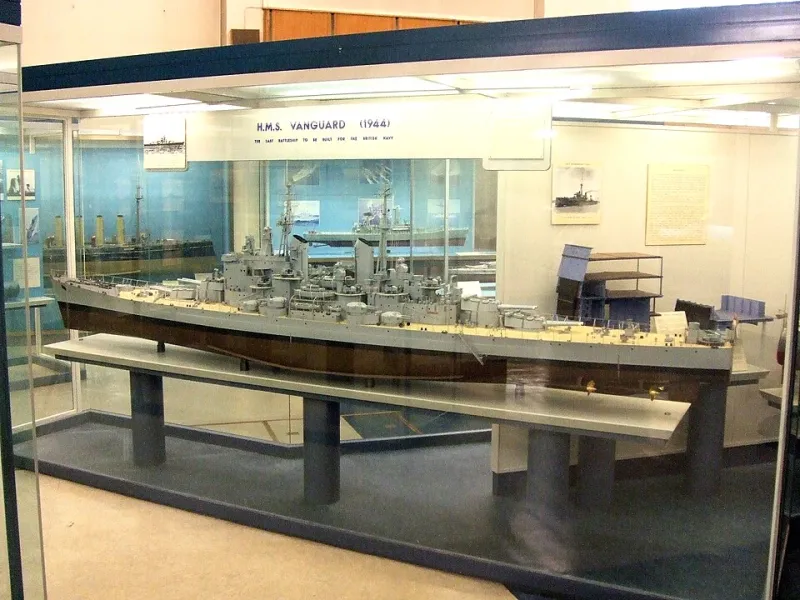
Photo: Hugh Llewelyn, CC BY-SA 2.0, via Wikimedia Commons
There's a particular kind of Saturday in a UK winter where the strip is a swamp, the wind is doing its best impression of a jet engine and the only sensible place to be is indoors with a scalpel and a brew. Most clubs respond by cancelling and hoping for March. A better answer, we reckon, is to lean into it: clear the tables, put a clock on the wall and run a build-off that starts after breakfast and ends with something that actually flies.
The idea isn't new. What tends to go wrong is that it drifts into a spending contest, or a veteran's masterclass that leaves the newcomers watching from the tea urn. So here's a format that's been knocking about in various club huts, tightened up so that a beginner and a forty-year veteran can sit at the same bench and both get something out of the day.
One Airframe, No Wriggle Room
Everything hangs off the spec, and the spec has to be short enough to read out in under a minute. Pick a single class of model — a simple chuck glider scaled up, a box-fuselage electric sportster, a profile-scale fun-fighter — and publish the rules a fortnight ahead. Minimum and maximum wingspan, a maximum all-up weight, a stated power system or rubber motor, and a clear line on what counts as 'scratch' versus 'kit'.
What you must resist is the temptation to add clauses. Every extra rule is a loophole someone will find at 9:05am and an argument you'll be having at 4pm. Four or five numbers, one paragraph of intent, done. If in doubt, write the spirit of the thing at the top: the model should be built today, from materials brought today, to these dimensions. People are surprisingly good at policing that themselves when it's stated plainly.
Three Stages, Not One Long Slog
A single six-hour build is a recipe for bad glue joints and worse tempers. Break the day into timed stages with a bell or a shout, and make each stage end with something showable.
Stage one — 9:00 to 11:00. Structures only. Fuselage sides, wing panels, tail surfaces cut and framed. Nothing gets covered, nothing gets painted, and nobody is allowed to start fiddling with the undercarriage. The point is to get the bones on the board while everyone's fresh.
Stage two — 11:15 to 1:00. Covering, hinging and fitting out. This is where the kettle goes on and the questions start flowing, which is exactly what you want. Pair people up here if you can — a novice with a covering iron and a veteran with a roll of Solarfilm is a better teaching moment than any amount of YouTube.
Stage three — 1:45 to 3:15. Final assembly, balance, control throws and a bench check. Everything must be checked by a second pair of eyes before it goes near the door.
Build to the bell, not to completion. If a model isn't finished at the end of stage three, it's still judged on what's there. That rule alone stops the day becoming a sprint.
A Fiver in the Hat, Not a Fiver Hundred
Set a hard materials cap — £25 is plenty for a simple airframe if people shop sensibly — and ask everyone to bring their own consumables: glue, blades, covering offcuts, a bit of liteply. If someone turns up with a CNC-cut short kit they've had in the loft since 2019, fine, but the build still has to happen today. That's the point.
A receipts board on the wall is a nice touch. It keeps the budget honest, gives people something to chat about and quietly reminds the enthusiastic ones that a model built for the price of two pints is just as valid as one built for the price of a tyre.
Judge What Flies, Not What Shines
Prizes for 'best finish' reward the people who already own an airbrush. Instead, split the honours three ways:
- Airworthiness — does it pass a control check and a glide test without drama?
- Build quality at the bench — square, straight, no glue bombs, hinges that move freely.
- Spirit of the day — the model that best captures what the spec was asking for, judged by a show of hands.
If the weather allows, walk the whole group to the strip for a mass launch or a few short hops. If it doesn't, a corridor glide test and a taxi run on the hall floor is enough. Flying something you built this morning, in the dark, with your clubmates watching, is the whole point of the exercise.
Keep the Beginners in the Room
This is the part that decides whether the day is worth repeating. A few things help:
- Buddy the benches. Deliberately seat an experienced builder next to a first-timer, and tell the veteran their job is to keep their hands off the other person's model unless asked.
- Pre-cut the scary bits. Have a small stock of ribs, firewalls and wing joiners already cut, free to anyone who wants them. Nobody learns anything from a two-hour rib-cutting session.
- Publish a 'what to bring' list a week ahead, with a photo of a typical bench. It removes the fear of turning up under-equipped.
- Give the newcomers the first go at the covering iron, with someone watching. Covering is the bit people are most nervous about and the bit that most rewards a bit of company.
Safety, Insurance and the Caretaker
Standard hall rules apply, but they need saying out loud at 9:00am. Knives capped when not in use, no sprays or solvent-based dope in a closed room, a first-aid kit on the stage and a nominated person who knows where the fuse box is. Check your BMFA or club insurance covers indoor building and flying activity, and note it in the minutes.
Booking matters more than people think. A hall that's warm at nine and freezing at two will kill the day, so confirm the heating, confirm the parking and confirm the finish time in writing. Leave the place tidier than you found it and you'll get the booking again next winter.
The Bit That Makes It Worth Doing
A build-off isn't really about the models. It's about the fact that most of us spend winter building alone in a shed, and a shared bench on a grey Saturday is worth a month of solitary sanding. Keep the spec simple, keep the budget tight, keep the clock honest and let the beginners sit at the front. The models will be rough. Some will fly badly. All of them will have been built today, by people who'll be back next month with a better one.