When the Shed Falls Silent: A Kind, Practical Club Protocol for a Member's Models
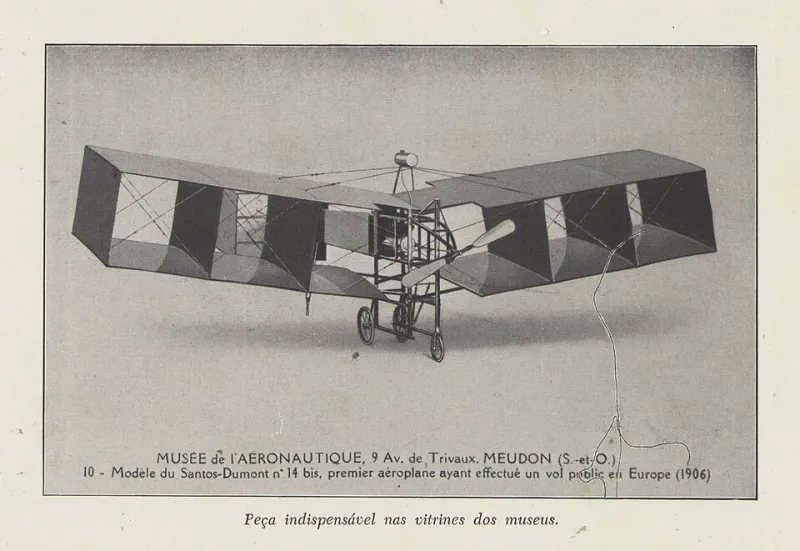
Photo: José Rosael/Hélio Nobre/Museu Paulista da USP, Public domain, via Wikimedia Commons
Most clubs have a member whose shed is a small museum. There is a trainer from the eighties, a half-built scale model, three radios that all work, and a drawer of engines that smell faintly of castor oil. When that member stops flying, or when they die, the club may be asked to help. That is a sensitive moment, and it is easy to get wrong.
The wrong way is the shed free-for-all: well-meaning members arriving with boxes, taking what looks useful and leaving the family with a vague promise about sorting out a price later. The right way is slower, clearer and kinder. It treats the models as someone's work and the family as people in grief, not as a house clearance.
Start with the family, not the models
Before anyone touches a transmitter, a club officer should make contact with the family. Offer condolences first and practical help second. Ask what the member wanted, if that is known. Ask whether there is a will, a list, or a friend who knows the collection. Ask what the family would like to happen: sale, donation, keeping a few items, or simply time to decide.
Do not visit unannounced. Do not bring a van on the first visit. Appoint one point of contact so the family is not repeating the same conversation to six different club members. A single named officer, ideally someone calm and organised, makes the process feel manageable.
Inventory with two people and a camera
When the family is ready, inventory the collection with two people present. One can handle the items; the other can write and photograph. Record the obvious things: airframes, radios, engines, batteries, chargers, tools, kits and paperwork. Note condition honestly, but do not turn the first visit into an appraisal. The aim is a record, not a price list.
Photographs help everyone. They let absent family members see what is there. They help the club prepare a fair valuation later. They also guard against disagreements about what was in the shed. Keep the inventory in a shared club file with restricted access, not in a group chat.
Valuations that respect the family
Valuing a collection is where clubs can accidentally become sharp dealers. A member who knows the market may be the best person to help, but they should declare an interest if they want to buy something. Use sold listings rather than asking prices. Separate the sentimental from the saleable. A battered trainer may be worth very little in cash and a great deal to a grandchild.
The family should make the final decision on price and method of sale. The club can advise; it should not quietly set a mates' rate. If a club member does buy an item, record the price and the date. Transparency protects everyone.
Storage, security and care
If the family wants time, the club may offer short-term storage. That needs conditions. Store models somewhere dry and secure. Remove or stabilise batteries according to type. Run IC engines dry if they are being stored, or follow the club's usual after-run routine. Keep fuel and solvents out of a family living room. Label boxes so the inventory still makes sense in three months.
Insurance is worth a phone call. The club's policy may not cover stored third-party property. The family's household cover may or may not stretch to a shed full of models. If in doubt, keep the arrangement short and put it in writing.
Sale, donation and disposal
There are several sensible routes. The club can run a members' sale with family approval. A local swapmeet can work for lower-value items. Specialist forums and auction sites can reach a wider market, though they take time. Some families prefer to donate flyable trainers to the club's training pool or to a young member. That can be a lovely outcome, but only if the family chooses it.
Disposal needs care too. Batteries, fuel, aerosols and old electronics should not go in the household bin. Use local recycling arrangements or a club collection day. Broken airframes may be stripped for useful parts, but ask first.
A protocol that prevents arguments
The best time to agree all this is at an AGM, long before anyone needs it. A short written protocol can name the club officer, the two-person inventory rule, the family-first contact policy and the no-buying-before-family-approval rule. It can sit alongside the club's safety and child-protection documents without making the place feel morbid.
A protocol is not a substitute for kindness. It is a way of making kindness reliable. When a shed falls silent, the club should be the sort of organisation that helps a family find the right home for a lifetime of modelling, not the first group to arrive with a cardboard box.