Indoor Light, Indoor Right: Sorting a Foamie for the Sports Hall Season
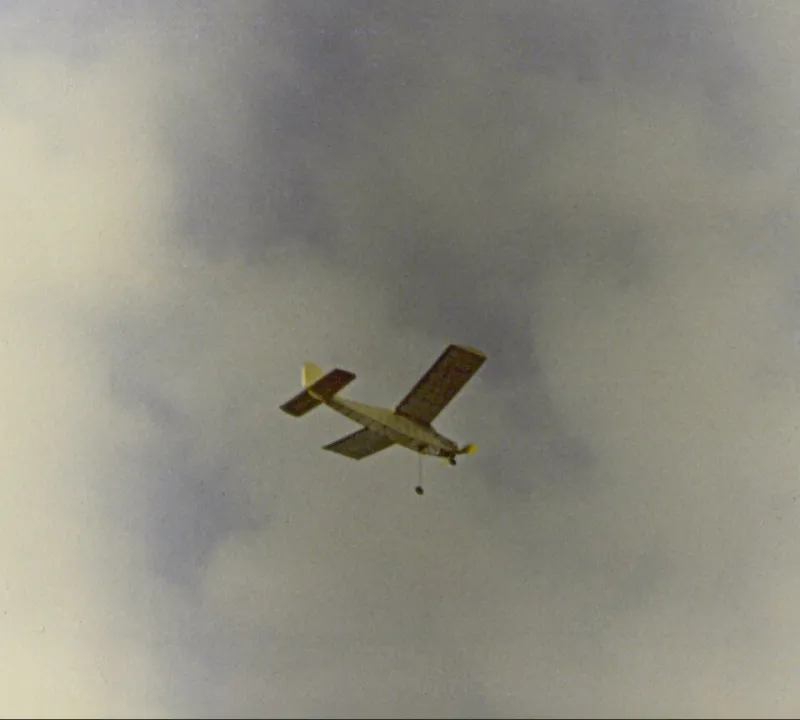
Photo: foam radio controlled model airplane flying indoors in sports hall, via media.karousell.com
Winter arrives at most UK clubs in two stages. First the strip gets soft, the wheel pants fill with mud, and every landing feels like a small act of faith. Then the hall booking starts, and a completely different kind of flying begins. The sports hall is warm, flat and wonderfully consistent, but it is also full of basketball hoops, badminton lines, squeaky shoes and other people's models. A foamie that behaves perfectly outdoors can feel like a startled wasp indoors if you simply charge it and launch.
First, accept that the hall is not a calm day at the patch
Outdoors, you have space to correct mistakes. Indoors, you have a ceiling, four walls and a badminton net that appears to move. The aim is not to make the model sluggish; it is to make it predictable. That means less power, softer throws and a centre of gravity that gives you a fighting chance when you have to turn in a hurry.
Start by weighing the model with the battery you actually intend to use. Indoor foamies live or die by wing loading. A 2S 450–800mAh pack is usually a better friend than a 3S brick, even if the bigger pack lets you hover at the top of the hall. You want gentle acceleration, not a vertical punch that puts the model into the roof before you have found the trims.
Power down, prop up
A small outrunner in the 1400–1800kV range, turning an 8x4.3 or 9x4.7 slow-fly prop, is a sensible starting point for many lightweight indoor foamies. Check the current draw with a wattmeter and make sure the ESC is not cooking in still air. Indoor flying often means long periods at part throttle, which can be harder on some ESCs than short outdoor bursts.
Prop protection matters. A prop saver with a rubber band is cheap insurance against the inevitable nose-over on landing. If your model uses a prop guard, check that it clears the prop by a sensible margin and that it has not been bent in the car. A guard that rubs is worse than no guard at all. Carry spare bands, spare props and a small roll of tape. The hall floor has a talent for finding the one part you did not bring.
Rates that let you think
Set low rates at around 60–70 per cent of your outdoor throws, with 25–30 per cent expo if your radio supports it. The goal is a model that responds firmly but does not snap into a roll the moment you breathe on the stick. On a small foamie, a little expo smooths out the centre without making the model feel remote.
Use dual rates, but do not clutter the flight with switch changes. Pick one indoor rate and fly it. If the model feels sleepy, land, adjust and go again. If it feels twitchy, add expo or reduce the throw. Write the numbers on a bit of masking tape and stick it to the transmitter case. Future you will be grateful.
Balance, or the nose knows
A foamie that is tail-heavy indoors is a handful. It will not track, it will wallow in turns and it will make every landing approach feel like a negotiation. Start at the manufacturer's recommended centre of gravity, then move the battery forward in small steps until the model feels settled. A nose-heavy model may need a little more up-elevator trim, but it will generally forgive you more than a tail-heavy one.
Check the CG with the model upright and the battery fitted. Do not balance it on your fingertips while the cat is trying to help. A simple CG stand made from two pencils and a bit of balsa is enough. If you move the battery, recheck the trim in the air at a safe height before you start doing low passes.
Prop protection and the art of the soft crash
Indoor flying is not about avoiding every arrival; it is about making the arrivals cheap. Fit a prop saver, keep the undercarriage simple and avoid hanging expensive cameras or heavy landing gear on a model that is going to meet a sports hall floor. If the model has a fragile cowl, reinforce the inside with a strip of tape or a little foam-safe glue.
Also check the hinges and control horns before each session. Foam hinges fatigue, and a failed elevator hinge indoors is a short, unhappy flight. A drop of foam-safe glue and a strip of Blenderm tape can add another season to a well-used model.
Shared-hall etiquette
A sports hall is a shared space, and the club night works best when everyone flies to the same rhythm. Establish a simple routine: call your launch, call your landing, and do not walk onto the flying area while models are airborne. Keep take-offs and landings to the marked zone if the hall has one. If there is a queue, keep flights short. Five good minutes are better than ten minutes of chasing a model around the netting.
Be honest about your ability. If you are still getting used to indoor flying, fly when the hall is quieter and ask a more experienced member to stand with you. Nobody minds a cautious pilot. They do mind a model climbing into the back of someone's head.
A small checklist for the first session
Before you leave the house, check the battery voltage, the prop saver band, the transmitter charge and the model's CG. At the hall, do a range check away from the flight line, test the motor briefly with the model restrained, and make sure your failsafe is set. Then fly a simple circuit, land, and adjust one thing at a time. The sports hall season is long enough to tune the model properly. You do not have to do it all in the first ten minutes.