Cold, Damp and Careless: A Winter LiPo Audit for Shed-Stored Flying Gear
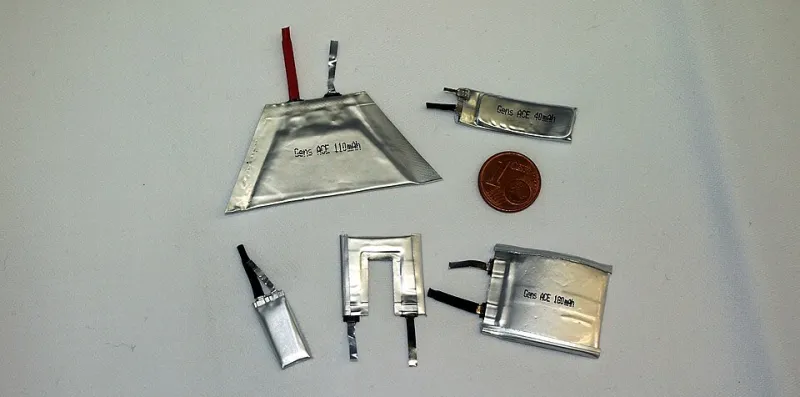
Photo: Ordercrazy, CC0, via Wikimedia Commons
I like a shed. I like the smell of it, the shelf of half-finished models, the jars of dubious screws and the fact that nobody expects me to tidy it. But a shed is a storage space, not a charging station. That distinction gets blurry in winter, when the flying gear lives outdoors, the garage floor is cold enough to make your teeth ache, and the club day forecast keeps changing.
LiPo packs are not fragile, but they are unforgiving of laziness. Most of the safety advice you read assumes a warm workshop, a clear bench and a charger you can watch. Many UK hobbyists have a damp garage, a shed with a dripping roof and a charging routine that happens in ten rushed minutes before loading the car. This is a practical winter audit for that reality.
Why winter is the awkward season
Cold weather does not make a good LiPo pack spontaneously dangerous. It does make everything around it worse. Condensation forms when a cold pack comes into a warm house. Damp sheds corrode connectors and hide damaged leads. Cold floors pull heat out of packs and chargers. And the short days mean more charging happens in the evening, often unattended, often on a bench covered in balsa dust and offcuts.
The aim is not to be frightened of your batteries. The aim is to make the shed a boring place for them.
Audit step one: know what you own
Empty the storage box and look at every pack. Label each one with capacity, cell count, purchase date and any known history. If you cannot remember how old a pack is or whether it has been crashed, treat it as suspect. Check for puffing, dents, punctured heat-shrink, damaged balance leads and corrosion on the main connectors. A pack with a swollen cell is not a project; it is a retirement case.
Audit step two: storage voltage and temperature
LiPos are happiest stored at around 3.8V per cell, roughly 3.75V to 3.85V. Not fully charged, not run flat. If your charger has a storage mode, use it. If it does not, charge or discharge packs to storage level after a flying session rather than leaving them full for a fortnight.
Check the voltage every few weeks through winter. Cold storage is generally kinder than a hot shelf, but condensation is the enemy. Keep packs off a bare concrete floor and away from damp walls. A wooden shelf or a plastic crate with some foam insulation is fine. Bring packs to room temperature before charging, and do not charge a frozen pack. Let them acclimatise in a sealed bag so condensation forms on the bag, not inside the heat-shrink.
Audit step three: get them off the floor
A garage floor in January is a heat sink and a condensation magnet. Packs sitting directly on concrete will get cold, damp and generally miserable. Put them on a shelf, in a crate, or in a closed plastic box with a little ventilation. Keep them away from solvents, fuel, paint thinners and anything else that might leak on them. And keep them out of reach of children and pets, which is easier said than done in a shed full of interesting things.
Audit step four: charging away from bench clutter
This is the big one. Do not charge on a bench covered in balsa offcuts, paper plans, glue bottles and a half-used tin of dope. Clear a dedicated area with a non-flammable surface — a ceramic tile, a metal tray or a proper charging board. Keep the charger and pack where you can see them, and never charge unattended. Not 'I am just in the house for a minute' unattended. Actually in the room.
Use the correct charge rate, balance charge when you can, and check cell voltages before and after. If a pack gets warm, puffs, or refuses to balance, stop. A charger is not a babysitter.
Audit step five: containment that actually helps
A LiPo bag is a delay, not a force field. Use one anyway. Put the bag on a non-flammable surface, away from curtains, fuel cans and the model you have spent six months building. A metal box can help contain a fire, but do not seal it airtight; you want to avoid pressure building up. Some modellers use an ammo box with the seal removed and a vent hole. Whatever you choose, keep it clear of anything that burns easily and put a smoke alarm nearby.
Audit step six: retire damaged packs properly
A damaged LiPo should not go back in the flight box. Puffing, punctured cells, a pack that gets hot on charge, or one cell that drops faster than the rest are all reasons to retire it. Discharge it slowly to a safe level using a charger's discharge mode or a proper discharging device, tape the terminals, and take it to a local household waste recycling centre that accepts batteries. Do not put it in the bin, and do not leave it in the shed 'for now'.
Audit step seven: what club insurance expects
Most club insurance and BMFA guidance boils down to reasonable care: follow the manufacturer's instructions, charge safely, store sensibly and do not take silly risks. Check your own club rules and policy wording rather than assuming. If you are charging in a shed, make sure the setup would look sensible to someone else. A smoke alarm, a clear bench and a fire-resistant container are cheap compared with the alternative.
A simple Sunday audit
Give yourself fifteen minutes. Empty the battery box. Check every pack for damage and storage voltage. Bin the mystery packs. Clear the charging area. Put a smoke alarm in the shed. Move the fuel cans away from the charger. Label the good packs and retire the bad ones. Then make a cup of tea and leave it alone.
Winter flying is worth the faff. A little discipline in the shed means more club days, fewer surprises, and a battery box you can trust when the forecast finally comes good.