The Twenty-Pound Boneyard: A Swapmeet Balsa Wreck Flies Again
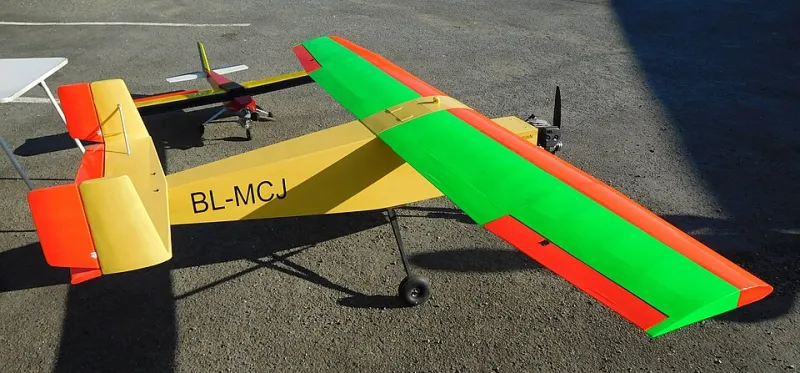
There is a particular smell to a village-hall swapmeet in November: hot tea, old balsa and the faint whiff of glow fuel from a cardboard box that has not been opened since the 1990s. That was where I found it — a grubby .40-size low-winger, covering patched like a farmer's gate, canopy missing, cowl cracked and a price sticker reading £20. No plan. No history. Just enough airframe to be interesting.
That is the appeal of the boneyard buy. In a hobby where shiny ARFs arrive in crisp boxes and fly out of the car park, a scruffy balsa relic is a reminder that models used to be made, repaired and kept going. But cheap rescue work only pays off if you inspect before you fall in love. The romance is in the workshop, not in the asking price.
First, assume it is worse than it looks
Before handing over the cash, I gave the airframe a slow once-over on the trestle table. It is amazing what a swapmeet seller will let you do with a torch and a critical eye.
- Twist and warps. Sight down each wing panel. A little washout can be fine; a permanent banana is not. Check the fuselage for a lazy tail or a bent nose.
- Fuel soak. Black staining around the firewall, tank bay and engine bearers is a warning. Press the wood with a thumbnail. Soft, spongy balsa smells of old castor and future repairs.
- Spars and joints. Flex the wing gently. Listen for cracking. Look for grey glue fillets, split ribs and repaired leading edges that hide more than they fix.
- Hinges and horns. Stiff hinges, rusty clevises and bent pushrods are easy fixes, but they tell you how the model was stored.
- Missing bits. Canopy, cowl, wheel spats, plan, wing joiner, cabane — all can be sourced, but each one adds a week and a tenner.
- Covering. Patch on patch is not automatically bad, but heat damage and lifting edges can mean the wood underneath has been cooked.
I will walk away when the firewall is soft, the main spar is broken in more than one bay, the wing has a twist that resists gentle heat, or the model is missing a critical moulding and no clubmate has one in a box. A canopy can be made. A warped wing is a different hobby.
Strip it like you mean to keep it
Back on the bench, the first job is not repair. It is removal. Heat gun on low, blade held almost flat, and patience. Do not pull covering like a plaster; it takes balsa grain with it and turns a small repair into a rib replacement.
Work in small sections and photograph everything before it comes apart. Label the hinges, pushrods and any odd spacers in a sandwich bag. I use a cardboard cradle for the fuselage and a soft pencil to mark rib positions. It sounds fussy. It saves an evening later.
Old glue comes off with a sanding bar and a light touch. Acetone can lift residue, but test it first and keep it away from film-covered parts. The aim is clean wood, not a museum finish. You are rebuilding a flying model, not restoring furniture.
Repairing balsa without making it heavy
Balsa repair is mostly about matching strength to load. A scarf joint should overlap at least eight times the thickness of the wood. Aliphatic glue gives you time to line things up; thin CA is fine for tacking and small cracks. Do not flood every joint with resin and call it strength. These models fly better light.
For broken ribs, make a card template from the opposite side and cut two or three spares. For fuel-soaked nose wood, cut back to clean material and let in a new piece. A light glass patch around the firewall is acceptable; a solid oak nose block is not. Keep the tail light. If you add weight behind the wing, you will pay for it in the nose.
Check the wing joiner and mounting bolts before you re-cover. A sloppy joiner can be bushed with brass tube or replaced. Dihedral should match side to side. If the wing rocks on the saddle, fix the saddle — do not crank down the bolts and hope.
Odd-size parts and club magic
The fastest parts shop in Britain is a club WhatsApp group. Ask before you buy. Somebody has a canopy that almost fits, a cowl from a long-gone kit, or a set of wheels that has been in a loft since the last century.
For new stock, the usual UK sources are worth a look: Balsa Cabin for wood, SLEC for hardware and accessories, and your local model shop for piano wire, clevises and wheel collets. Swapmeet trays are still the best place for old engine mounts and odd-sized spinners. If you need a laser-cut rib set, a clubmate with a cutter can often turn a sketch into parts for the price of a brew.
A canopy can be vac-formed over a carved plug, or you can buy the closest commercial shape and trim it. A cracked cowl can be repaired with fibreglass cloth and resin from the inside. Neither job is difficult; both take longer than the advert suggests.
Rig it, balance it, throw it
When the airframe is complete, rig it on the bench and check the boring things. Centre of gravity on the fingertips or a proper jig. Control throws conservative. Control directions correct. Hinges secure. Range check with the transmitter aerial down or in range-test mode. Failsafe set. Fresh fuel or a freshly charged flight battery.
The first flight should be a quiet evening, not a club open day. I took a clubmate, a long runway and no crowd. The model needed two clicks of aileron and a shade of down elevator. It was not beautiful. It was straight, light and honest — exactly what a £20 rescue should be.
That is the counterpoint to the shiny ARF. A boneyard build teaches you what the parts do, why the tail is light and why a warped wing matters. It also keeps old airframes flying. If you see a scruffy balsa relic on a swapmeet table this winter, inspect it properly. Then decide whether the £20 is the cheapest part of the project or the most expensive mistake in the hall.